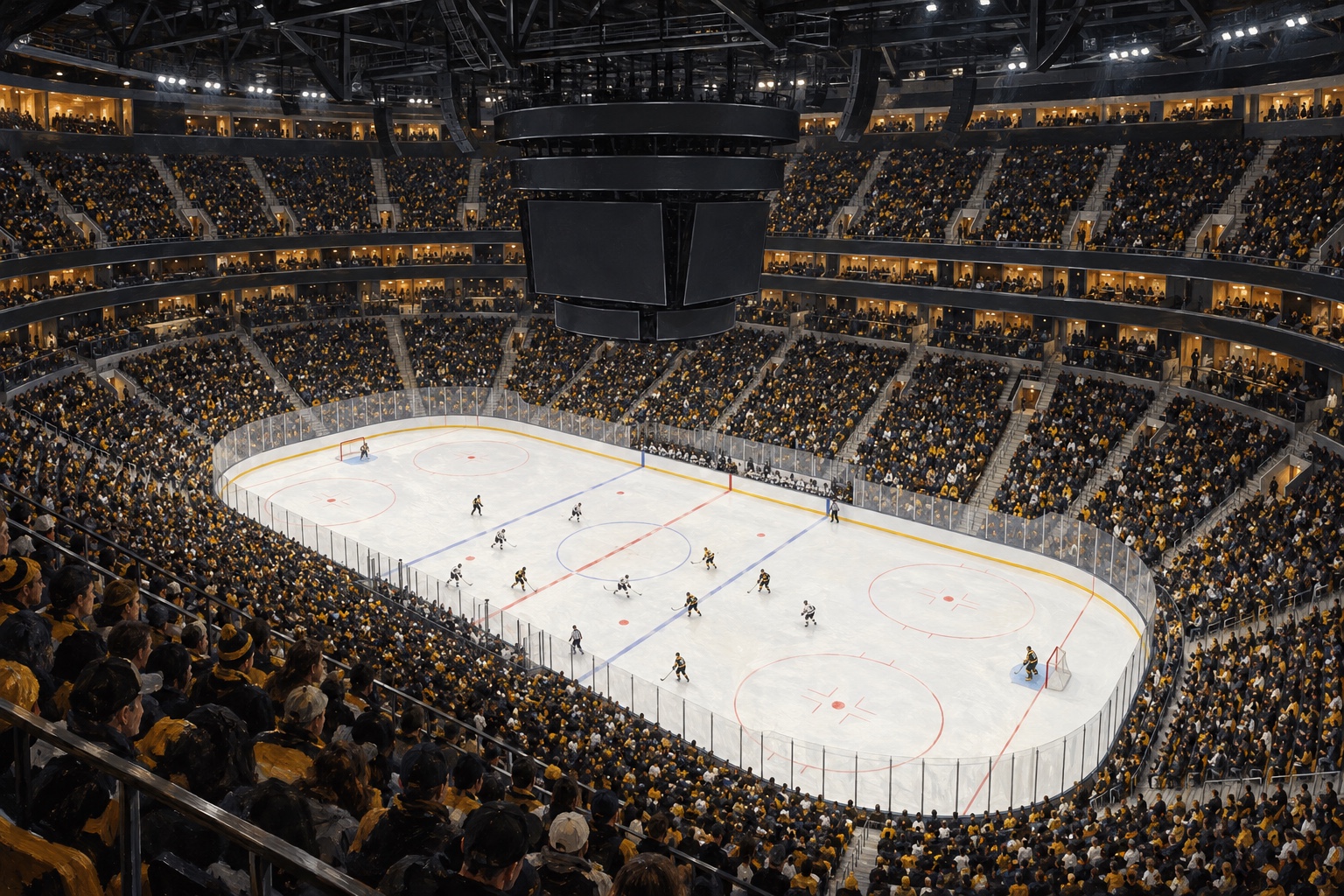
Toronto finally found a way to finish a comeback. Now comes the harder question: can the Maple Leafs follow that win with a game that doesn’t require Anthony Stolarz to rescue them early? Boston has the stronger record, but its latest loss exposed a problem of its own—keeping the puck out even when the opponent isn’t piling up shots. That puts the two creases, and the traffic around them, at the center of this matchup.
Toronto needs more than another escape
The Leafs’ 4-2 comeback against the Islanders ended a nine-game losing streak. It didn’t begin like a turnaround: Toronto was outshot 15-6 in the first period, and Stolarz made 14 saves to keep the deficit manageable. The useful change came afterward. A Jake McCabe shot went in off Dakota Joshua near the crease, Chris Tanev scored while left open, and Gavin McKenna supplied the go-ahead goal during a delayed penalty. Toronto found different ways to score instead of waiting for one perfect finish.
That matters against Boston because the Leafs still haven’t established a dependable scoring floor. They’ve won once in their past 10 games, scoring three goals or fewer in each of the nine losses. The win gives them something concrete to build on, but the next step is spending less of the opening period defending and giving their goalie a cleaner start.
Stolarz is confirmed to start, while Jeremy Swayman remains unconfirmed for Boston. Across Stolarz’s five most recent appearances this regular season, he stopped 118 of 132 shots for a .894 save percentage. His latest outing was better—20 saves on 22 shots—but Toronto can’t assume that one strong performance makes repeated early pressure harmless.
Boston’s net-front work cuts both ways
Boston’s 4-2 loss to Winnipeg showed both the opportunity and the danger around the crease. David Pastrnak’s pass across the front set up Morgan Geekie’s power-play goal, and Fraser Minten later tipped Mason Lohrei’s shot to tie the game. The decisive goal went the other way: Swayman mishandled a rebound, and Morgan Barron poked it between his pads.
The Bruins allowed only 17 shots on Swayman, who stopped 14; Winnipeg’s fourth goal went into an empty net. That wasn’t a loss driven by overwhelming shot volume. If Swayman starts again, rebound control deserves attention: he has allowed 18 goals on 116 shots across his five most recent appearances, an .845 save percentage. Boston’s 15-8-1 record gives it a firmer foundation than Toronto’s 9-14-3 mark, but those recent saves haven’t supplied much protection when defensive possessions break down.
Boston also has a recent example of winning a loose game, beating Washington 7-5 before the Winnipeg loss. Against Toronto, the more convincing response would be to keep producing the screens and cross-crease passes without needing that kind of scoring cushion.
Sharpest Bets Premium
Get our Maple Leafs vs. Bruins picks.
See our model's picks for this game, plus the projections and trends behind them. Use PREVIEW20 to get your first 3 days free and 20% off your Premium subscription.
The moneyline: what makes Boston’s price defensible?
DraftKings lists Boston at -155 and Toronto at +130, with a total of 6.5. The case for paying Boston’s price starts with the Leafs’ prolonged difficulty sustaining offense and avoiding costly defensive stretches. If the Bruins force Toronto into another opening period spent chasing the puck, their net-front attack has a clear route into the game.
What keeps that price from being an easy sell is the narrow expected difference in shot volume. We expect roughly 27 Boston shots and 26 Toronto shots, not a barrage in one direction. Boston needs to turn its possessions into better finishes and get steadier goaltending; simply edging the shot count may not be enough. Toronto’s plus price becomes more interesting if the Leafs can get bodies to the crease again without first asking Stolarz to hold off a sustained push. Boston’s starter decision is worth resolving before committing to either argument.
The total: can ordinary volume produce seven goals?
The 6.5 threshold asks whether these teams can reach seven goals without an especially busy shooting night. The recent goalie samples leave that route open, particularly if Swayman starts and loose pucks remain available around his crease. Both teams’ latest games also showed how screens, deflections and lateral passes can create scoring opportunities that a simple shot count doesn’t describe.
There’s a credible lower-scoring path, too. Stolarz just held the Islanders to two goals, and Toronto’s offense has repeatedly stalled during its skid. Taking the Over requires confidence that Boston’s finishing and Toronto’s follow-up chances will overcome the modest volume we expect. Taking the Under requires cleaner rebound control and fewer defensive breakdowns than Boston showed on Winnipeg’s winner. The starter decision matters to the total as well as the moneyline, but here the question is how often the puck gets through—not which team controls the game.
Watch the second chances
Watch whether Toronto gets to rebounds instead of spending the opening stretch clearing its own zone, and whether Boston’s goalie can end possessions with the first save. Those details will tell us more than an early shot-count edge. Visit the NHL betting board to compare this matchup’s goalie uncertainty and scoring threshold with the other games before deciding where the clearest opportunity sits.
Odds and projections are snapshots and can change. Wagering involves risk.
More from this matchup
Bruins Parlay Picks vs. Maple Leafs: Side & Support Player Props
Backing Boston? Compare Lindholm and Geekie’s one-point target with Pastrnak and Peterka’s two-point option, using Bruins wins, current roles and actual DraftKings prices.
Maple Leafs Parlay Picks vs. Bruins: Side & Support Player Props
Picturing a Maple Leafs win? Compare Marchenko to record a point with Peterka and McAvoy point unders, current DraftKings prices and recent roles.
More matchups to explore
Unlock our Premium picks. Free.
Get our sharpest picks, team grades, and projected score in your inbox.