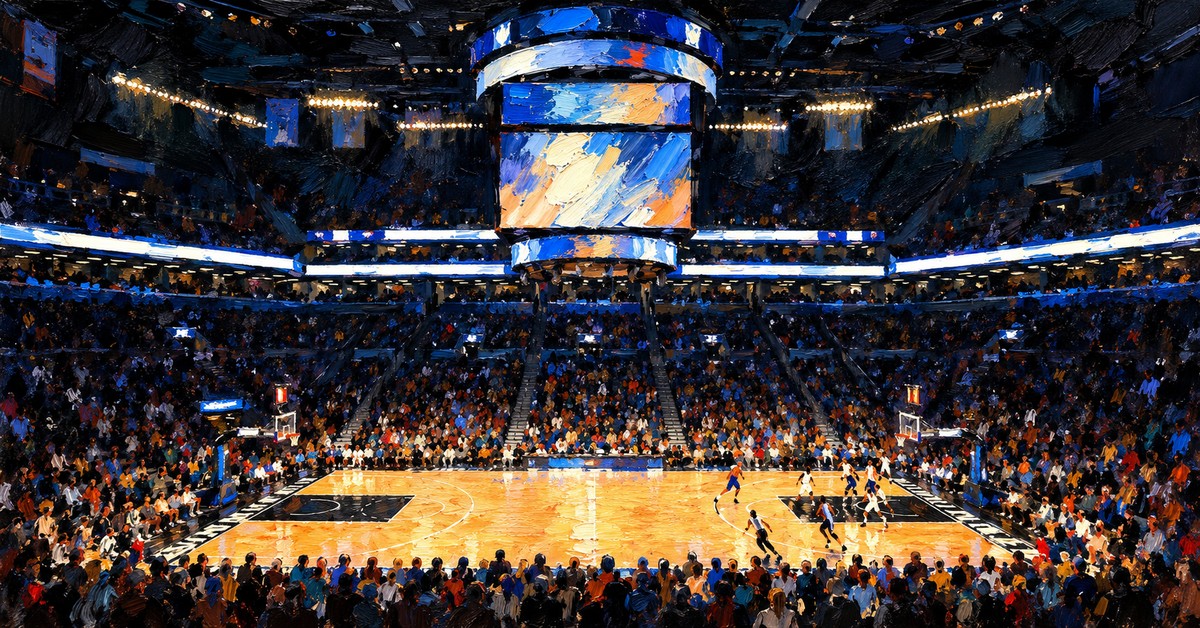
Chicago lost a first-quarter lead in Cleveland. Brooklyn rallied from a big deficit against Philadelphia, only to watch Joel Embiid put the game away. Both teams arrive at this matchup with reasons to trust their scoring and fresh reminders that it isn’t enough. The question Wednesday is which defense can string together enough stops to make a good offensive stretch count.
Chicago has found points, but the stops haven’t followed
The Bulls’ 126-115 loss Monday ended a two-game winning streak that followed eight straight defeats. There was still useful offensive production: Norman Powell scored 27 points, Matas Buzelis added 23, and Jalen Smith supplied 17 points and 11 rebounds. Tre Jones chipped in 16. That spread of contributors gives Chicago several ways to challenge a Brooklyn defense that just allowed 135 points.
The trouble came when Cleveland took control of the second quarter. Chicago led 31-25 after one period, then lost the next quarter 32-17. Donovan Mitchell finished with 39 points as the Cavaliers turned that swing into a 126-115 win. Against Brooklyn, the Bulls need more than another productive night from Powell; they need to avoid a stretch when their own scoring dries up while the opponent keeps getting baskets.
Chicago’s recent results show why it shouldn’t be dismissed on record alone. The Bulls beat Atlanta 125-117 and Minnesota 117-106 before the Cleveland loss, and they’ve covered in four of their past five games. Those covers came as underdogs getting substantially more room than they have here, though. The improved competitiveness matters; it doesn’t automatically make this a generous price.
Brooklyn needs its comeback offense before falling behind
Julius Randle scored 33 points, Michael Porter Jr. added 25, and Nolan Traore matched his career high with 23 in Monday’s 135-123 loss to Philadelphia. Brooklyn cut a 19-point halftime deficit to four late in the fourth quarter. That’s a dangerous mix for Chicago: Randle and Porter weren’t the only players supplying offense, and Traore gave the Nets another substantial scoring contribution.
But Brooklyn allowed 78 first-half points. Philadelphia also scored on rebounds of both its early second-quarter misses, a particularly costly way to let an opponent’s run grow. When the Nets finally threatened late, Embiid scored six straight Philadelphia points to rebuild the cushion, then hit a late three. Brooklyn’s comeback showed its scoring ceiling; its inability to finish possessions and get the next stop explains why that ceiling didn’t produce a win.
The spread turns on who finishes possessions
DraftKings has Brooklyn favored by 2.5 points, a small number that still asks the Nets to do something they couldn’t manage Monday: pair their scoring with enough defensive control to hold off a response. The case for laying it rests on Randle, Porter and Traore carrying their production into a matchup with a Chicago team that just conceded 126.
Sharpest Bets Premium
Get our Bulls vs. Nets picks.
See our model's picks for this game, plus the projections and trends behind them. Use PREVIEW20 for 20% off Premium Monthly. New members who qualify get 3 days free.
Chicago has a counterweight. We expect the Bulls to hold a rebounding edge of about five boards. That doesn’t guarantee extra offensive possessions, but ending Brooklyn trips with a rebound would help Chicago avoid the follow-up baskets that hurt the Nets against Philadelphia. We also expect Brooklyn to make roughly one to two more threes, so Chicago can’t afford to surrender repeated attempts on the same trip.
For the favorite’s price to be worth taking, Brooklyn needs cleaner defensive possessions rather than another rescue mission from its scorers. Chicago’s points become more interesting if Smith and the Bulls can control the boards and keep their recent offensive balance. If Brooklyn gets comfortable shots and second attempts, the small cushion offers Chicago little protection. Neither team’s last outing makes defensive reliability an easy assumption.
Can the scoring clear 238.5?
The total asks a different question: will both offenses keep producing, even if neither team takes control? Chicago’s last game produced 241 points; Brooklyn’s produced 258. Those results show how this matchup can get above 238.5 without requiring a close finish. Powell and Buzelis have fresh scoring performances to build on, while Brooklyn just got 81 combined points from Randle, Porter and Traore.
There’s also a useful split in the season’s betting history: eight of Chicago’s 13 games have gone Under, while eight of Brooklyn’s 13 have gone Over. The Bulls’ Cleveland game illustrates why those labels aren’t scoring descriptions—241 points still finished below that game’s 241.5 line. Here, the threshold is lower.
The case for taking the Over needs Chicago’s multiple scorers to keep answering Brooklyn, not merely another big Nets performance. The case for the Under needs longer stretches of empty possessions, whether through Chicago finishing defensive rebounds or Brooklyn preventing the Bulls from finding their next scorer. We’d pass on an Over argument built only on two poor defenses: Chicago’s 17-point second quarter Monday is a reminder that an offensive drought can interrupt even a high-scoring game.
Watch the next stop, not just the next basket
Keep an eye on what happens after the first miss and when the second quarter begins. Can Smith help Chicago finish defensive possessions, and can Brooklyn avoid needing another late comeback? Those answers will say more than an early burst of shot-making. Visit the NBA betting board to compare this scoring threshold and narrow spread with the rest of the slate before deciding where the matchup offers enough value.
Odds and projections are snapshots and can change. Wagering involves risk.
More matchups to explore


Unlock our Premium picks. Free.
Get our sharpest picks, team grades, and projected score in your inbox.